Music and the Timeless Classic: Vinyls
Music and the Timeless Classic: Vinyls
By: Ananya Choudhary
If you search for music quotes on the internet, you will be bombarded by quotes all the way from Beethoven to Bob Marley and of course, how can we forget their AI counterparts. But for a moment, let us drift from music quotes and more into the world of music itself. Humans are hungry, desperate, and quite frankly, pathetic creatures. We can’t stand silence. We need melody. We need music.
So much so that we don't limit our musical vernacular to solely homo sapiens. For us, bees buzz, birds chirp, hyenas howl, and cows moo. If you think about it, we didn't need to invent separate words for the sound each animal makes. We wanted to, so we did. We made instruments; stringed and percussion. We incorporated music into our prayers, movies, and even birthday cards.
We can't stand silence, not even in hell. Considering the sheer desperation of mankind, this author would not be surprised if even the screaming of damned souls played like a background track to the inevitable horror and torture one would experience there.
Speaking of nightmares, we have managed to commodify music, own copyrights to every tune imaginable, and sell concert tickets at ungodly prices. But on a brighter note, we have also managed to spread song and dance to every corner of the world. Spotify, your washing machine, or the tune you hear on Duolingo when you finish a lesson- it's almost as if it's impossible to escape music.
Let’s rewind for a moment. Before Spotify, Apple Music, and even the iPod, before radio stations in every car, and before MP3 players in every teenager's bedroom, there was the vinyl. In the latter half of the 1800s, inventions were booming left and right. The first automobile, light bulb, and telephone were all invented in this prestigious century. And so was the inkling of the possibility of vinyl records. Cassettes have faded out; so have CDs and floppy disks. Even the once impressive MP3 player and iPod no longer stand a chance. However, there's something about vinyls, or records as they are also known, that seems timeless, classy if you will.
The concept was first introduced by Edouord Leon Scott in 1857, further improved upon by Edison in 1878, tweaked by Emile Berliner and it finally hit a home run in 1948, thanks to a certain Peter Carl Goldmark. Vinyl records are flat, circular discs made of a plastic compound called PVC or Polyvinyl Chloride. Yes, the things that your pipes are made out of.
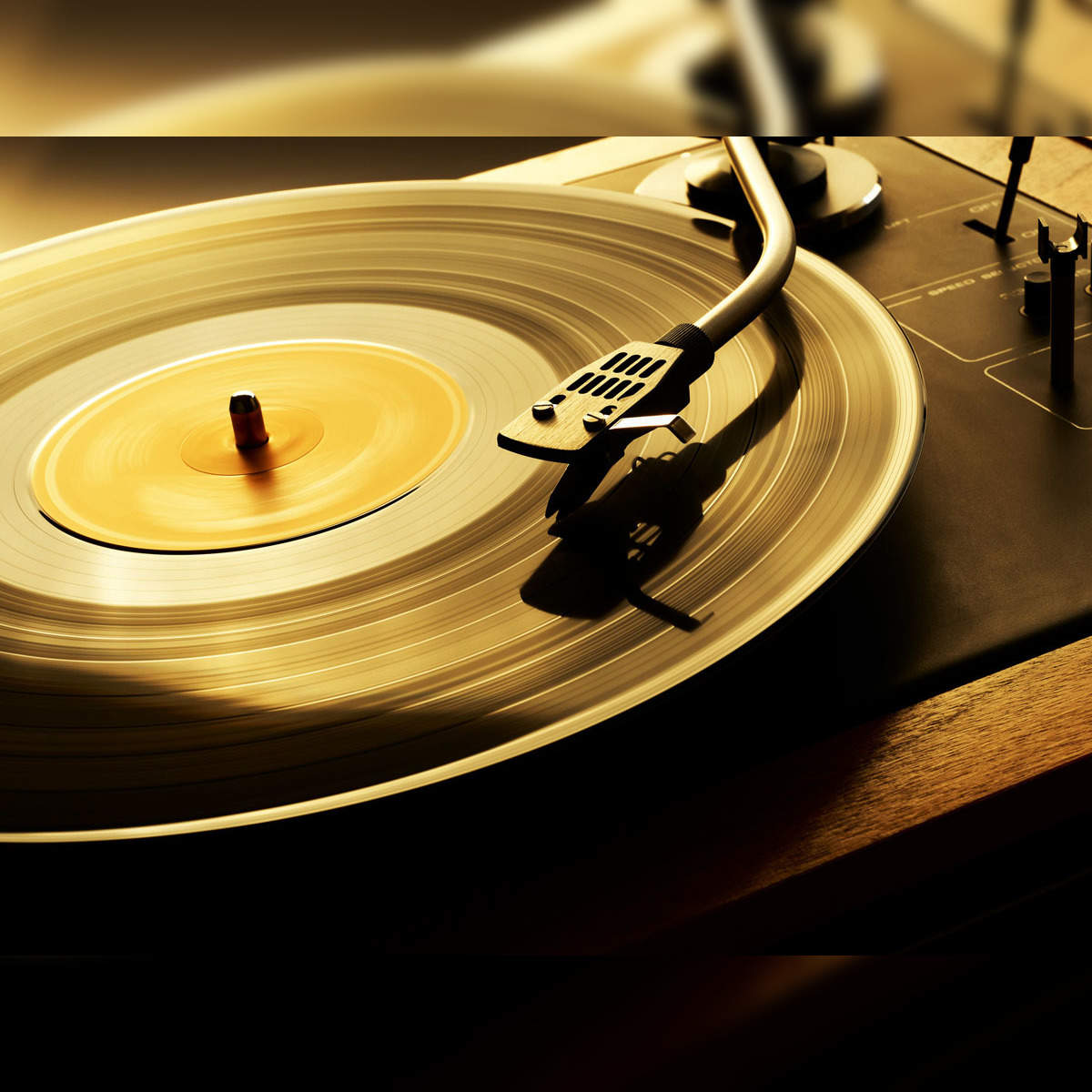
On the surface, vinyl records appear to be smooth, impressive-looking discs. The truth of the matter is, they are impressive, but not smooth. Each vinyl record has tiny grooves on it. When these records spin, and a stylus or needle moves along them, the vibrations produced are converted into an electrical signal and amplified.
Yes, they were a great technological invention, but why are they still relevant? Why are they still classy? The reasons are manifold, with nostalgia topping the charts. But it's also the fact that they are collectables. Perhaps also because they emit some sort of a status symbol.
Vinyl records are expensive. For Swifties, the cost could be anywhere between 2k and 70k, depending on the number of songs on the record. Many now use these expensive plastic discs as wall decor. For what it's worth millennials, it is quite aesthetically pleasing.
The vinyl record is timeless. So the next time you spot one in an antique store, or at your friend's house or even your own granddad's collection, spare a second glance. There isn't just music in those grooves; there's also history. Vinyls didn’t just survive because they’re pretty or aesthetic. They survived because they make us feel something.
Not just plastic.
Not just sound.
A memory, on repeat.
Live on, dear vinyl.

CAN WE HAVE A MOMENT OF SILENCE FOR THIS WHIRLWIND OF AN ESSAY
ReplyDeleteHehe thank you!
Delete"hungry, desperate and quite frankly pathetic"': gonna be my ig bio now
ReplyDelete"The sound which Duolingo makes after you finish a lesson" is such a goated example proud to be a streak partner with you annchovies ! brilliant blog and well yea a vinyl is almost 30 bucks so yea 2k although who is buying vinyls at 70k that too of taylor swift ??? she still sells them on her website 😭🙏🏽
ReplyDeleteDuolingo streak partners>>>
DeleteGreat article 👏
ReplyDeleteSuch a great article, love to see vinyls being talked about
ReplyDeleteThank you!
DeleteThe way it's written mwahhhh
ReplyDeleteSomeone finally posting on vinyls
ReplyDeleteI have the sudden desire to start a vinyl trafficking business
ReplyDelete(this was such a lovely article)
Hey, good concept, so forgive me for the unsolicited feedback.
ReplyDelete1) Firstly, bees buzz and cow moo, cute explanation, but it doesn’t necessarily link to music we are just inherently interpretive by nature.
2) The reference to music playing in hell sounds a bit corny, why did we transition into a philosophical dissertation that carries negative connotations about music? Kinda threw me off-
3) I am guessing the aim was to discuss digital saturation contrast with vinyl, however, “we have managed to commodify music” Yeah dude, capitalism sells stuff. Composers and artists need their due respect and protection through copyrights, and I agree with the ungodly prices of concerts.
4) I liked how you pointed out that Vinyls are just as expensive but what makes it special?
The fact that it is antique? If we’re going to glorify vinyl records just because they’re old and emit a ‘vibe,’ then shouldn’t we also be romanticising the motor fans in our grandma’s house? No, we won’t and that’s aesthetic bias.
5) You’ve acknowledged that it emits a link to status, so it signifies availability only to the privileged. Then how is it different from a concert ticket?
6) Paragraphs sound like standalone thoughts, and we don’t discuss vinyl until later. When it finally showed up, it was a technical explanation and didn’t hold any historical or emotional depth.
At the end, you claim its memory on repeat but nothing in the body of the article supports that statement.
The article should include memories, cause right now it’s just plastic.
Keep up the good work
Thanks for the feedback
DeleteThe godman christ created law and order that led to the goddamned heist of music and fodder
ReplyDelete